
Why Interior Repairs Matter Before Selling Your Home

Most sellers ask the same question before listing: “Do I really need to fix all this?” The answer is no, but the smarter question is which repairs actually move the needle. Understanding why interior repairs matter before selling comes down to one simple truth: buyers make emotional decisions fast, and the condition of your interior is the first thing that shapes their offer. Skip the wrong repairs and you leave money on the table. Fix the right ones and you close faster, for more, with fewer headaches.
Table of Contents
Key takeaways
Point | Details |
Repairs shape buyer perception | Interior condition directly influences how buyers feel and what they offer within minutes of walking in. |
Prioritize impact over perfection | Focus on safety issues, visible damage, and high-traffic areas rather than expensive full renovations. |
Documentation builds trust | Keeping records of completed repairs reduces buyer anxiety and strengthens your negotiation position. |
Staged homes sell faster | Well-maintained and staged interiors sell significantly faster and can increase final sale price by 1% to 5%. |
Credits are a valid alternative | When repairs are too costly or time-sensitive, offering closing credits can keep deals moving without delays. |
Why interior repairs matter before selling
Walk into any home showing and you will see it happen in real time. A buyer steps through the door, takes one look at scuffed walls and stained flooring, and their body language shifts. Arms cross. Questions get sharper. Offers get lower. That reaction is not irrational. It is how buyers protect themselves from unknown risk.
Interior condition signals maintenance history. When buyers see peeling caulk or burnt-out bulbs, they do not just see small cosmetic issues. They start wondering what else has been neglected. That doubt is expensive for you as a seller.
Here is what strategic interior repairs actually do for you:
Reduce buyer objections before they even form
Increase appraised value by presenting a well-maintained property
Shorten time on market because buyers feel confident moving forward
Reduce inspection fallout by addressing issues before they become surprises
Strengthen your negotiation position by removing leverage from the buyer’s side
Staged homes sell 73% faster in some markets, and the price difference is real. A fresh coat of paint, repaired flooring, and updated lighting cost a fraction of a price reduction. The importance of home repairs is not about making your home perfect. It is about removing the friction that slows buyers down and drives offers down.
Pro Tip: Walk through your home the way a buyer would. Start at the front door and move room by room. Write down everything that catches your eye in the first three seconds. Those are the repairs worth prioritizing.

Which repairs matter most before listing
Not every repair deserves your time or money. The goal is to maximize buyer appeal and protect your sale price without over-investing in improvements that will not pay off.
Start with this prioritization framework:
Safety and structural issues first. Faulty wiring, water intrusion, broken steps, or HVAC problems are not optional. Safety fixes are mandatory in most cases and directly affect financing and closing.
High-visibility surfaces second. Walls, floors, and ceilings are what buyers see constantly. Fresh paint is one of the highest-return investments you can make before listing.
Kitchen and bathroom basics third. You do not need a full remodel. Fix leaky faucets, replace broken hardware, re-caulk tile, and update lighting fixtures. These updates for selling signal care without breaking the budget.
Lighting and fixtures fourth. Dark rooms feel smaller and less inviting. Replacing outdated or broken fixtures is low-cost and high-impact.
Curb appeal last. Once the interior is solid, clean up the yard and entry. First impressions start outside, but deals are made inside.
Here is a quick comparison to help you decide where to spend:
Repair type | Typical cost | Buyer impact | Worth doing? |
Interior paint | $1,000 to $3,000 | Very high | Yes |
Flooring repair or refinish | $500 to $2,500 | High | Yes |
Kitchen full remodel | $20,000 and up | Moderate | Usually no |
Lighting fixture updates | $200 to $800 | Moderate to high | Yes |
Roof replacement | $8,000 to $15,000 | High if needed | Only if required |
Cosmetic landscaping | $300 to $1,000 | Moderate | Yes |
The research is clear: prioritize repairs that affect buyer confidence, financing, safety, and habitability rather than purely cosmetic projects. A brand-new kitchen will rarely recoup its full cost. Fixed flooring and fresh walls almost always will.
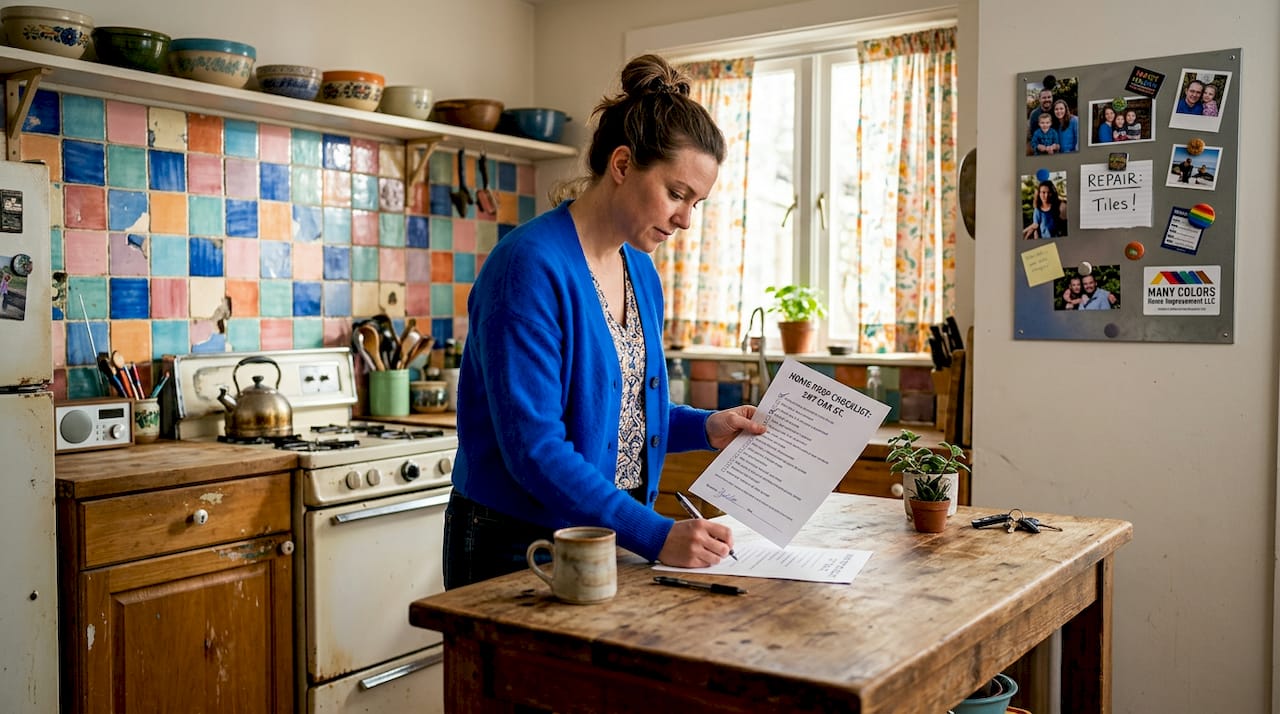
Pro Tip: Order a pre-listing inspection before you list. It costs $300 to $500 and tells you exactly what buyers will find. Knowing in advance lets you fix on your timeline, not theirs.
Legal and negotiation implications of repairs
Here is something many sellers get wrong. Completing a repair does not mean you no longer have to disclose it. Repairing defects without disclosure does not eliminate liability. In fact, professional documentation of completed repairs demonstrates responsible ownership and actually improves buyer confidence.
Think of it this way. A buyer sees a water stain on the ceiling and gets nervous. You show them a receipt from a licensed plumber, photos of the completed repair, and a note that the issue was fully resolved. That buyer relaxes. Their agent stops pushing for a price reduction. The deal moves forward.
Repairs change the negotiation dynamic in your favor when handled correctly:
Pre-inspections reduce inspection contingency fallout. Homes with pre-inspection reports are 22% more likely to close successfully.
Documentation shifts the conversation. Instead of buyers demanding credits for unknowns, you are presenting solved problems with proof.
Credits remain a valid tool. Offering credits can be a smart alternative when repairs are too costly or time-sensitive. Many buyers prefer cash flexibility over waiting for contractor work.
Transparency builds trust. Hiding problems creates liability. Disclosing them with documentation builds the kind of buyer confidence that keeps deals alive.
“Transparency turns potential deal-breakers into manageable disclosure points, building buyer trust and reducing the emotional friction that kills contracts.” — Josh Devane Real Estate
The bottom line is that inspection failures escalate costs far beyond initial repair estimates through extended market time, carrying costs, and reduced offers. Getting ahead of issues is almost always cheaper than reacting to them.
Cost-benefit thinking and common seller mistakes
The average annual home maintenance cost is $8,808 as of 2026, with structural repairs up 14.1% and plumbing costs up 23.6% between 2022 and 2024. Waiting to repair things does not save money. It usually costs more.
Sellers fall into a few predictable traps when thinking about how repairs affect home value:
Fixing everything. You do not need to address every inspection finding. Focusing on 2 to 3 key issues works better than trying to achieve perfection. Buyers expect some wear in a lived-in home.
Neglecting the critical items. Skipping safety or major system repairs because they feel expensive is a false economy. These are the issues that kill financing and end contracts.
Rushing work. Rushed or incomplete repairs often create bigger negotiation problems than the original issue. A sloppy paint job signals more problems than no paint job.
Over-improving. A full kitchen remodel before selling rarely returns its full cost. Buyers want to make the home their own. Your job is to remove objections, not redesign the house.
When evaluating whether to repair or offer a credit, consider your timeline, the buyer’s preferences, and your local market. In a hot market, buyers may accept a credit and move on. In a slower market, a visibly repaired home gives you a real edge.
Pro Tip: Get at least two contractor quotes before committing to any repair over $1,000. Repair costs vary widely, and knowing your options helps you decide whether a repair or a credit makes more financial sense.
Practical steps to prepare before you list
Getting your interior ready does not have to be overwhelming. Follow this sequence and you will be in a strong position before your first showing.
Do a full walk-through with fresh eyes. Invite a friend or neighbor who will give you honest feedback. You have stopped seeing what buyers will notice.
Order a pre-listing inspection. This is your roadmap. It tells you exactly what needs attention before buyers bring their own inspector.
Build a prioritized repair list. Group items by safety and financing risk first, then high-visibility cosmetic issues, then minor touch-ups.
Get professional quotes and set a realistic timeline. Do not start repairs the week before listing. Good contractors need lead time, and rushed work shows.
Document everything. Photograph before and after. Keep all invoices. This paperwork becomes part of your disclosure package and builds buyer confidence.
Consult your real estate agent. They know your specific market. What matters in one neighborhood may not matter in another. Ask them which repairs buyers in your price range care about most.
Stage and present. Once repairs are done, declutter, clean thoroughly, and consider basic staging. The benefits of staging a home extend beyond aesthetics. Staged homes help buyers visualize living there, which leads to faster and stronger offers.
My honest take on repair decisions
I have seen deals fall apart over a $200 repair that a seller refused to make, and I have seen sellers spend $15,000 on improvements that buyers barely noticed. After years of working in and on homes, here is what I know for certain: perfection is not the goal. Confidence is.
When a buyer walks through a home and sees that someone cared for it, they relax. They stop looking for problems. They start imagining their life there. That shift is worth more than any single renovation. What I have learned from working on homes in Milwaukee is that targeted fixes, done well and documented properly, do more for a sale than a full remodel done halfway.
The sellers who struggle are usually the ones who either ignore everything and hope buyers will not notice, or panic and try to fix everything at once. Neither works. The ones who succeed pick their battles, hire people who take pride in their work, and present their home honestly. That combination closes deals.
My advice is simple: start early, prioritize ruthlessly, and document everything you do. You will sell faster, negotiate from strength, and walk away with more money in your pocket.
— Ricco
Let Manycolorswi help you get your home ready

If you are preparing to sell and want your home to make the strongest possible impression, Manycolorswi is built for exactly this kind of work. From flooring and drywall to fresh interior paint and detail work, the team at Many Colors handles the repairs that move the needle for sellers. Every job is done by a crew that takes real pride in the work, because for many of them, this work represents a second chance and they do not take that lightly. You get professional results, honest pricing, and a team that shows up. Reach out to Manycolorswi before you list and go into your sale with confidence.
FAQ
Why do interior repairs matter before selling a home?
Interior repairs directly shape buyer perception and offer price. A well-maintained interior signals responsible ownership, reduces buyer anxiety, and helps homes sell faster and for more money.
Should I fix my house before selling or just lower the price?
Strategic repairs almost always return more than a price reduction. Fixing high-visibility issues like paint and flooring costs less than the discount buyers demand for a home that looks neglected.
Which interior repairs have the highest return before selling?
Fresh interior paint, refinished or repaired flooring, updated lighting, and basic kitchen and bathroom fixes consistently deliver the strongest return relative to cost for sellers.
Do I have to disclose repairs I have already completed?
Yes. Completing a repair does not eliminate your disclosure obligation. Documenting repairs with photos and invoices actually builds buyer trust and reduces negotiation friction.
How many repairs should I make before listing my home?
Focus on 2 to 3 high-impact issues rather than trying to fix everything. Prioritize safety concerns, visible damage, and anything that could affect financing or fail a buyer’s inspection.
Recommended
Comments