
Home Repair Companies with Social Missions in 2026
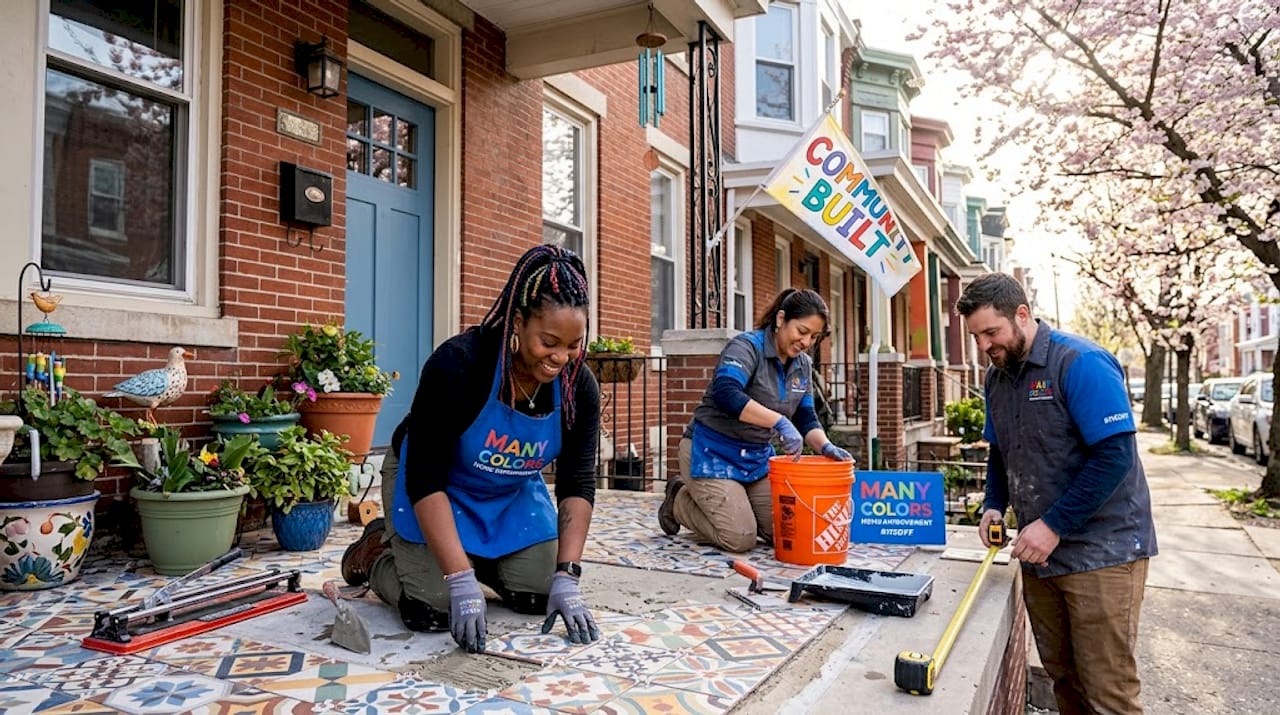
Finding a trustworthy home repair contractor is hard enough. Finding one that actively trains overlooked workers, partners with community organizations, and still delivers quality results feels nearly impossible. But home repair companies with social missions do exist, and they are changing what it means to hire a contractor. This article profiles real companies, breaks down what to look for, and gives you a side-by-side comparison so you can make a confident, values-aligned choice in 2026.
Table of Contents
3. Yellow Springs Home Inc.: nonprofit critical repairs for low-income homeowners
4. Barking Fixing Factory: sustainability through free repairs and skill-building
5. Manycolorswi: workforce development through home improvement in Milwaukee
6. Comparative analysis of featured mission-driven repair companies
My perspective: what I’ve learned about mission-driven contracting
Key takeaways
Point | Details |
Vet for real mission alignment | Look beyond marketing claims by checking workforce diversity, nonprofit partnerships, and fair wage practices. |
Grant-funded nonprofits serve low-income households | Organizations like Yellow Springs Home Inc. use secured grants to provide critical repairs at no cost to qualifying residents. |
Contractor vetting protects homeowners | Licensed, insured contractors partnered with government programs reduce risk and deliver better outcomes. |
Community repair hubs fill specific gaps | Volunteer-run repair centers work well for minor fixes but are not substitutes for licensed professionals on complex projects. |
Social missions improve service quality | Research links fair wages and ethical labor standards to higher contractor performance and customer satisfaction. |
1. What defines home repair companies with social missions
Not every company with a feel-good tagline qualifies. Truly mission-driven contractors demonstrate their values through verifiable practices, not just branding. Before you hire, here is what to look for.
Workforce inclusivity and fair wages. The most credible socially responsible contractors hire people who face systemic barriers, such as returning citizens, unhoused individuals, or underrepresented minorities, and pay them fair market wages. Fair wages and benefits directly correlate with higher service quality and customer satisfaction, a finding CalPERS has tracked since the 1990s.
Verified licensing and insurance. Good intentions do not replace proper credentials. Homeowners seeking affordable housing repair programs should prioritize licensed contractors partnered with government-backed programs to protect themselves against unregulated work.
Community partnerships and transparency. Ethical home repair businesses typically partner with nonprofits, local councils, or civic organizations. Ask for references, partnership documentation, and proof of community involvement. Companies that embed social procurement practices into their supply chains move from aspirational to genuinely impactful.
Sustainable materials and practices. Sustainable home repair services use refurbished, reclaimed, or eco-friendly materials when possible. This reduces costs and landfill waste simultaneously.
Proof of minority-owned, women-owned, or fair-employment certifications
Accessible services and pricing for low-income or marginalized homeowners
Active training and onboarding programs for disadvantaged workers
Transparent customer reviews and verifiable project portfolios
Pro Tip: Ask any contractor directly: “Do you have a workforce development program, and can you share who you hire?” A company with a real social mission will answer that question without hesitation.
2. FiXA: a women-owned contractor network in Philadelphia
FiXA launched in March 2026 and immediately filled a gap that frustrated Philadelphia homeowners for years. It connects residents with vetted, women-owned and diversity-forward contractors through a platform built by MIT graduates.
What makes FiXA credible is the rigor behind its vetting process. The platform interviews contractors, calls references, and verifies licenses and insurance before any professional appears in the marketplace. That is not standard practice in the home repair space, where many platforms simply collect contractor sign-ups without screening.
Within two weeks of launching, FiXA had nearly 800 visitors and 64 users accessing repair guides, with three homeowners connected directly to contractors. The growth was organic, driven almost entirely by word of mouth in communities that had long felt underserved.
Founded with a partnership with Habitat for Humanity
Free access for homeowners; revenue generated through lead fees and material sales
Focuses specifically on reducing the anxiety homeowners feel when hiring strangers for repairs
Currently serving the Philadelphia region with expansion planned
“The goal was never just to build a marketplace. It was to make sure the people fixing your home are people you can trust — and people who are building real careers.” — FiXA co-founder, via The Philadelphia Citizen
For anyone exploring vetted social mission contractors, FiXA demonstrates how a digital platform can combine community trust with professional rigor.
3. Yellow Springs Home Inc.: nonprofit critical repairs for low-income homeowners
Yellow Springs Home Inc. operates in Ohio and represents one of the most practical examples of nonprofit home renovation in action. The organization focuses on critical repairs that low-income homeowners simply cannot afford but cannot safely live without.
The scope of their work is significant. They have secured over $1.2 million in grants to expand services across Dayton and Yellow Springs, supporting more than 75 households annually.
Services include HVAC repair and replacement, roof work, mold remediation, and accessibility modifications
Clients are primarily first-time low-income homeowners who lack the resources for conventional contractors
The organization explicitly links its work to housing stabilization and long-term community development
Expanded service pipeline into Dayton creates a replicable regional model
Pro Tip: If you are an organization looking to refer clients to affordable housing repair programs, Yellow Springs Home Inc. is an example worth studying. Their grant application approach and service scope can serve as a template for similar initiatives in other cities.
The accessibility modification work deserves particular attention. Ramps, grab bars, and widened doorways are not cosmetic. For elderly and disabled residents, those repairs directly determine whether someone stays in their home or enters institutional care. That is the kind of home improvement with purpose that has long-term financial and social consequences for entire communities.
4. Barking Fixing Factory: sustainability through free repairs and skill-building
The Barking Fixing Factory in the United Kingdom operates on a model that many community-focused repair services in the U.S. are now studying. It is entirely volunteer-run, charges nothing for labor, and has built a genuine culture of skill-sharing around the idea that most things can be fixed rather than replaced.
In 2024, the organization refurbished over 600 items free of charge for community members. It also runs weekly sessions and beginner workshops, which means it builds capacity in the community, not just dependency on its services.
Operates as one of over 70 pilot sites funded by Material Focus, a circular economy charity
Partners with environmental organizations and local government councils
Volunteer-led repair clubs teach practical skills to participants of all backgrounds
Replicable model that several U.S. cities are adapting for electronics, furniture, and small appliances
The sustainability angle here is real. Keeping functional electronics and appliances out of landfills reduces the carbon footprint of repair in ways that conventional contractors rarely consider.
That said, it is worth being clear about the limits of this model. Community repair hubs are valuable for skill-building and minor repairs, but volunteer-run repair centers are not substitutes for licensed professionals on structural or safety-critical work. Use them for what they do well.
5. Manycolorswi: workforce development through home improvement in Milwaukee
Manycolorswi occupies a category few companies can honestly claim. It was founded specifically to serve residents of a homeless shelter in Milwaukee, providing real job skills and a path to stable employment through hands-on home repair work.
Led by Ricco, an experienced facilities director, the company hires and trains people who are routinely overlooked by conventional employers. The team is drawn from diverse ethnic backgrounds, and the company’s structure is built around teamwork, dignity, and practical skill development. Workers gain experience in flooring, drywall, painting, and lawn care while building a verifiable work history.
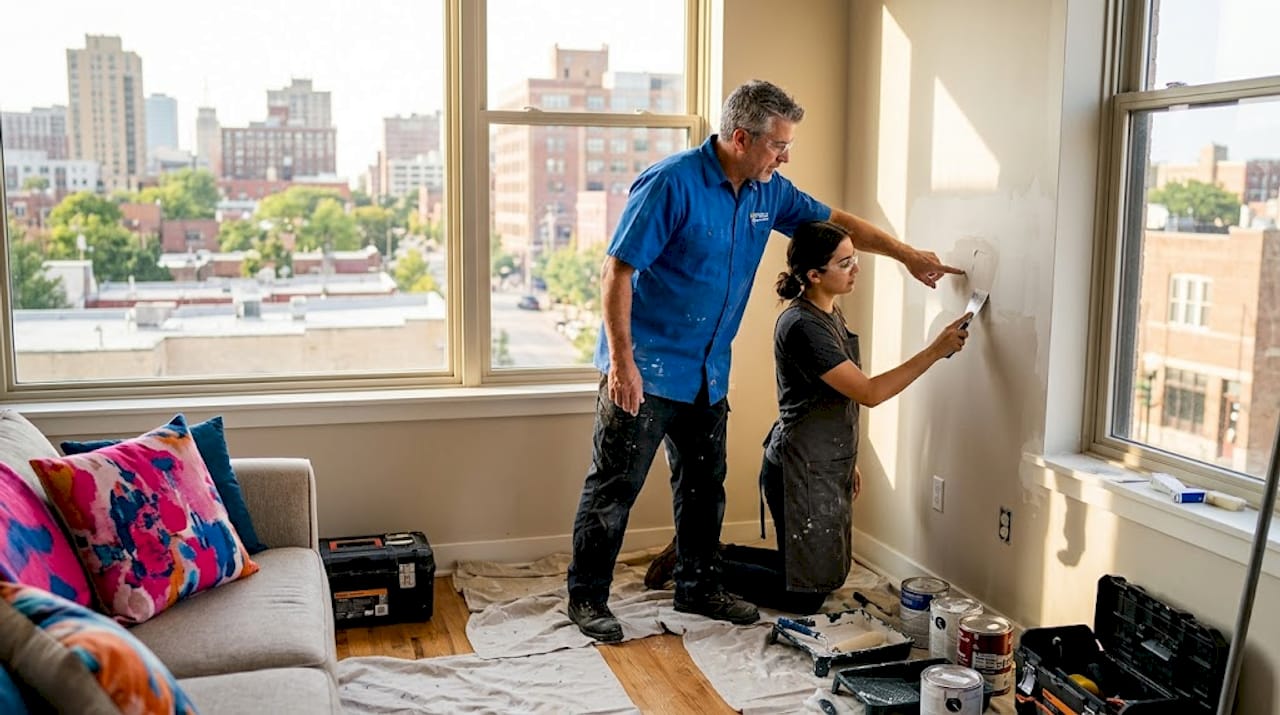
This is what separates Manycolorswi from companies that simply talk about diversity. The social impact is embedded in how the company is staffed, how workers are trained, and how projects are completed. Every job completed is also a career opportunity created.
For homeowners in Milwaukee who want their repair dollars to support community-rooted home improvement, Manycolorswi is one of the most direct ways to do that.
6. Comparative analysis of featured mission-driven repair companies
Here is a side-by-side look at how these organizations compare on the dimensions that matter most to values-driven homeowners and referral organizations.
Company | Primary mission focus | Geographic reach | Workforce inclusivity | Funding model | Best for |
FiXA | Women-owned contractor network | Philadelphia area | Women-owned and diverse contractors | Lead fees, material sales | Homeowners seeking vetted diverse contractors |
Yellow Springs Home Inc. | Critical repairs for low-income households | Dayton and Yellow Springs, OH | Community-serving nonprofit staff | Grants, donations | Low-income homeowners needing urgent repairs |
Barking Fixing Factory | Circular economy and sustainability | Barking, UK | Volunteer-led, open to all | Material Focus grant funding | Minor repairs, skill-building workshops |
Manycolorswi | Workforce reentry through home repair | Milwaukee, WI | Formerly unhoused and marginalized workers | Fee-for-service (commercial and residential) | Homeowners wanting direct workforce impact |
The table makes one distinction clear. Some organizations serve homeowners primarily, while others, like Manycolorswi, create equal value for the workers doing the job. Depending on your goals, that distinction should shape your choice.
Companies like Yellow Springs Home Inc. that operate on grant funding offer tremendous community value but may have eligibility requirements. Fee-for-service companies like Manycolorswi are accessible to any homeowner who wants their spending to carry social weight. For deeper context on cause-aligned renovation, the mission framing matters as much as the services offered.
My perspective: what I’ve learned about mission-driven contracting
I have been in facilities and home improvement work long enough to know when a social mission is real and when it is a label slapped on a website to attract a certain kind of customer. The difference shows up immediately when you talk to the workers.
In my experience, the contractors who come up through workforce development programs often outwork everyone else on the job. They are not there by default. They chose this work because someone gave them access to it when nobody else would. That motivation translates directly into attention to detail and respect for the homeowner’s space.
What I’ve also learned is that consumers underestimate their own power in this equation. Choosing a social impact construction company over a conventional contractor is not charity. You are getting real work done by people who are invested in proving themselves. The quality is there. The accountability is there. The difference is that your money also funds a second chance.
The challenge I keep seeing is that too many genuinely ethical home repair businesses lack the marketing budget to compete with large, conventional contractors. That means consumers have to do a bit more digging, but the research is worth it. Ask about hiring practices. Ask who is on the crew. Ask whether the company has workforce training built into its structure or just listed on a website.
I started Manycolorswi because I watched people in a homeless shelter in Milwaukee who had skills, motivation, and zero opportunity. The mission was never complicated. It was: give people the chance to show what they can do, and let the work speak for itself.
— Ricco
Work with a contractor whose mission matches yours
If the profiles in this article resonated with you, Manycolorswi is worth a direct look. The company delivers residential and commercial home repair services in Milwaukee, including flooring, drywall, painting, and lawn care, all performed by a workforce trained and supported from within a social mission framework.

Every project completed by Manycolorswi supports real workforce reentry and community impact in Milwaukee. You get quality home repair. Your workers get a career path. That is not a trade-off. Visit Many Colors to learn more about services, request a quote, or connect with the team directly. If you are also curious about how hiring practices connect to workforce challenges in trades more broadly, this breakdown of HVAC hiring struggles is worth your time.
FAQ
What are home repair companies with social missions?
Home repair companies with social missions combine professional contracting services with goals like workforce inclusivity, community support, or sustainable practices. They are distinguished from conventional contractors by hiring policies, nonprofit partnerships, or affordable service models for low-income homeowners.
How do I find ethical home repair businesses near me?
Search for contractors certified as minority-owned or women-owned, those partnered with local nonprofits, or businesses connected to government-backed repair programs. Platforms like FiXA vet contractors specifically for diversity and licensure, and organizations like Manycolorswi in Milwaukee hire directly from marginalized communities.
Are nonprofit home renovation organizations free to use?
Not always. Nonprofits like Yellow Springs Home Inc. provide free or subsidized repairs specifically to qualifying low-income homeowners using grant funding. Other mission-driven companies, like Manycolorswi, operate on standard fee-for-service pricing while channeling those fees into workforce development.
Do socially responsible contractors deliver quality work?
Yes, and research supports this. Fair labor practices consistently correlate with better service quality. Workers hired through workforce development programs often bring high levels of motivation and accountability to every project.
What is the difference between a repair cafe and a licensed contractor?
Community repair hubs like the Barking Fixing Factory are suited for minor repairs and skill-building. For structural, electrical, HVAC, or safety-critical work, you need a licensed, insured contractor who meets legal standards and protects your home investment.
Recommended
Comments