
Home Improvement Causes Worth Supporting in 2026
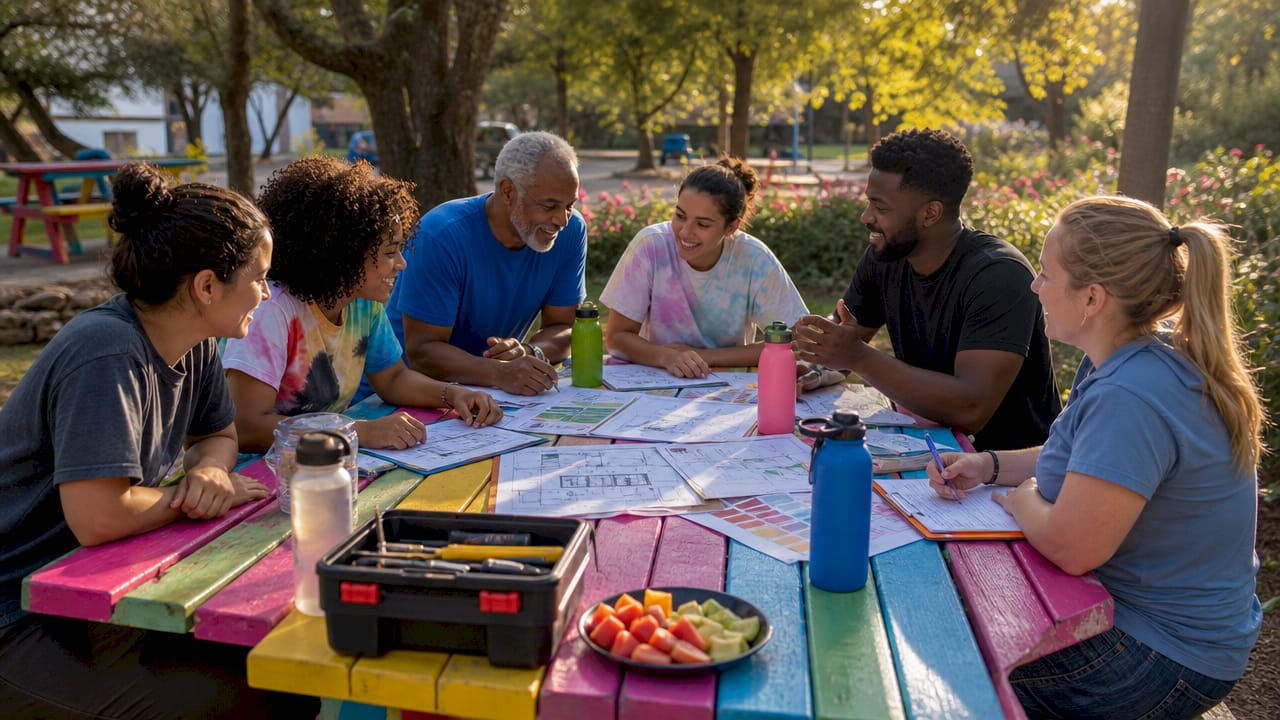
Home improvement causes worth supporting are defined by one standard: they create measurable safety, dignity, and stability for people who cannot access those things on their own. Programs like Building Homes for Heroes, Hearts and Hammers, and the RONA Foundation’s Build From The Heart campaign prove that physical repairs do more than fix walls. They prevent homelessness, reduce medical emergencies, and rebuild lives. Whether you want to donate $50, volunteer a weekend, or advocate for supportive housing funding, the causes below give you a direct path to real community impact.
1. Building Homes for Heroes: mortgage-free housing for veterans
Building Homes for Heroes has provided over 470 mortgage-free homes to injured veterans and their families, making it one of the most concrete home improvement causes in the country. Each home is fully adapted for the veteran’s specific physical needs, covering accessibility modifications, structural repairs, and safety upgrades. That combination of construction and care is what separates this program from standard housing assistance.
Lowe’s runs a customer round-up program through August 8, 2026, directing donations to veteran home projects at the register. This retail model removes the friction from giving. You don’t need to research a charity or write a check. You round up your purchase, and the funds go directly to material costs for veteran-adapted homes.
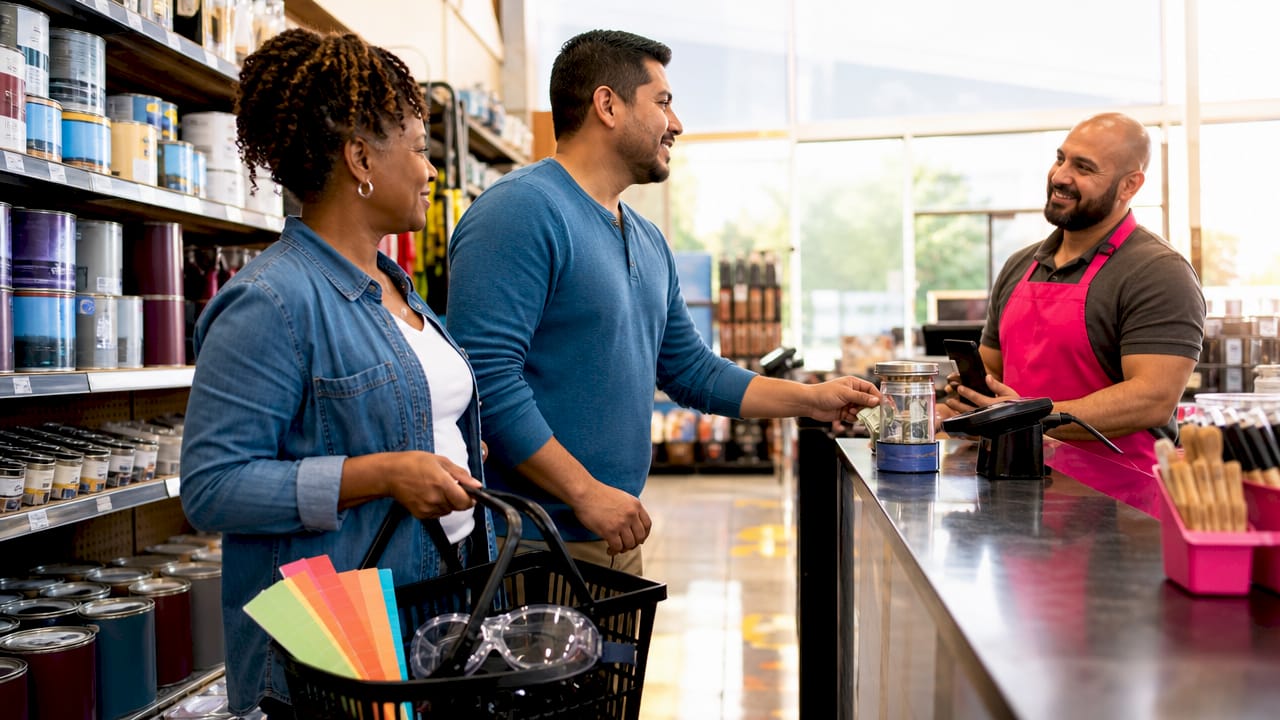
Pro Tip: If you shop at Lowe’s regularly, opting into the round-up program every visit costs you less than a dollar per trip but aggregates into significant material funding over a year.
2. Hearts and Hammers: free repairs for seniors and disabled residents
Hearts and Hammers in Joplin, MO provides free home repairs to eligible seniors and residents with disabilities, funded by local churches, businesses, and individual donors. Projects include roofing, accessibility ramps, and structural fixes that prevent displacement. The organization’s model works because it combines skilled tradespeople with unskilled volunteers, keeping labor costs low while maximizing output.
Charity success depends heavily on supplier partnerships and community organizations, which allow efficient use of donations and broad volunteer inclusion. Hearts and Hammers sources materials through local business relationships, which means a $100 donation stretches further here than it would through a national retailer. That efficiency is a strong argument for supporting locally rooted home renovation charities over large, overhead-heavy organizations.
3. Open Vessels: volunteer-built wheelchair ramps and safety modifications
Open Vessels has mobilized 500 or more volunteers to build over 75 wheelchair ramps for homeowners who cannot afford them. That scale demonstrates what organized volunteer labor can accomplish without large institutional budgets. The ramps are not cosmetic upgrades. They are the difference between a person being confined to one room or moving freely through their own home.
A $50 donation funds materials for a section of a wheelchair ramp, showing that micro-giving has direct, traceable impact. Open Vessels also educates donors on why essential repairs, specifically roofs, bathrooms, and accessibility modifications, prevent displacement far more effectively than cosmetic upgrades. That donor education piece is rare and worth recognizing. Most organizations take your money without telling you what it actually does.
4. RONA Foundation’s Build From The Heart campaign
The RONA Foundation’s 2026 Build From The Heart campaign allocates $1 million to charity home improvement projects benefiting victims of domestic violence, low-income families, and people with disabilities. Funds are raised through appliance sales and in-store donations, with over 100 applications reviewed for project selection. This corporate philanthropic model connects consumer spending directly to community housing repairs.
The campaign’s selection process prioritizes projects with documented social need, which gives donors confidence that money reaches people in genuine crisis. Supporting housing initiatives through retail campaigns like this one requires zero extra effort from the consumer. The social return is built into a purchase you were already making.
5. Supportive housing with integrated social services
The NYC Just Home Supportive Housing Initiative reports that 87% of residents had no arrests after living in supportive housing, with housing tenure reaching six to ten years. That statistic reframes what home improvement means at the policy level. Physical repairs alone do not stabilize lives. Combining permanent housing with intensive social services produces outcomes that neither element achieves independently.
Housing projects that integrate social services with physical improvements for vulnerable populations achieve lasting reductions in homelessness and recidivism. For donors and advocates, this means the most effective causes are those that treat the building and the person simultaneously. When you evaluate which home renovation charities to support, ask whether they connect residents to counseling, job training, or healthcare alongside the physical work.
6. Thriving Communities Grant and the Canada-Quebec supportive housing fund
A $250,000 Thriving Communities Grant through Roofs from the Heart and Southbridge CDC funds critical home repairs for vulnerable populations, improving safety and long-term housing stability. Separately, a $200 million Canada-Quebec partnership has created over 390 supportive homes for at-risk residents. These government-backed funding models show that public investment in home repair delivers measurable returns in reduced emergency service costs and prevented homelessness.
Community grants targeting energy-efficient repairs benefit Indigenous communities and low-income households disproportionately affected by aging infrastructure. For socially conscious donors, supporting organizations that apply for and administer these grants is one of the highest-leverage moves available. Your contribution supplements public funding rather than replacing it, which multiplies the total impact.
7. Rebuilding Together Silicon Valley: preventing homelessness through repairs
Rebuilding Together Silicon Valley documents that 11% of their clients would likely face homelessness without the home repairs the organization provides. That figure reframes a leaking roof or broken heating system from a maintenance issue into a housing crisis in progress. Safety modifications from this organization also reduce falls among older adults, directly cutting emergency room visits and the medical costs that follow.
Home repair charities reduce reliance on emergency services and prevent homelessness, proving the effectiveness of their interventions through social return on investment metrics. Rebuilding Together Silicon Valley publishes detailed impact reports, which is the transparency standard every home renovation charity should meet. Before you donate to any organization, look for this kind of documented output.
8. Volunteer weekend projects: who can participate and what gets done
Volunteer home repair projects require no prior construction experience for most tasks. Organizations like Open Vessels and Hearts and Hammers assign unskilled volunteers to painting, cleaning, landscaping, and material transport while skilled tradespeople handle structural and electrical work. This division of labor makes community improvement projects accessible to anyone willing to show up on a Saturday morning.
“Volunteer home repair not only fixes housing but restores dignity and lowers healthcare costs, stabilizing communities in ways that go far beyond the physical structure.” — Rebuilding Together Silicon Valley Leadership
Weekend projects commonly include wheelchair ramp construction, grab bar installation, weatherproofing, and exterior repairs. These modifications reduce falls, lower heating costs, and allow elderly residents to age in place rather than move to assisted living. The social benefit of keeping someone in their home for an additional five years is enormous, both for the individual and for the public systems that would otherwise absorb the cost.
9. Micro-donations and retail partnerships: how small gifts fund big repairs
Recurring small gifts often fund more significant repairs than one-time large donations, because they provide organizations with predictable cash flow for material purchasing and volunteer coordination. A $10 monthly commitment over a year equals $120, which covers flooring materials for a bathroom repair or a full section of exterior ramp. Predictability matters more than size when organizations are planning project timelines.
Retail round-up programs at Lowe’s and appliance sale campaigns through the RONA Foundation demonstrate that micro-donation infrastructure is now embedded in everyday consumer behavior. You do not need to seek out a charity website or set up a recurring payment. The giving mechanism is built into transactions you already make. For donors who want low-friction, high-impact giving, these retail partnerships represent the most accessible entry point into supporting home renovation causes.
10. Why supporting home improvement causes matters beyond the building
Volunteer home repair restores dignity and lowers healthcare costs, stabilizing communities in ways that extend well past the physical structure. Stable homes prevent displacement, which prevents school disruption for children, job loss for adults, and chronic stress for everyone in the household. The benefits of home improvement causes are not limited to the homeowner. They ripple outward to schools, employers, healthcare systems, and neighborhoods.
Supporting housing initiatives that prioritize racial and social equity also addresses a documented gap. Aging housing stock disproportionately affects Black, Indigenous, and low-income communities, where deferred maintenance accumulates over decades. Organizations that target these populations with community reinvestment services are doing the work that market-rate contractors will not. That targeting is a sign of organizational integrity, not just good marketing.
Key takeaways
The most effective home improvement causes combine physical repairs with social support, transparent impact reporting, and volunteer models that include people of all skill levels.
Point | Details |
Prioritize essential repairs | Roofs, bathrooms, and accessibility ramps prevent displacement far more effectively than cosmetic upgrades. |
Micro-donations have direct impact | A $50 gift funds materials for a wheelchair ramp section through organizations like Open Vessels. |
Volunteer experience is not required | Most weekend repair projects assign unskilled volunteers to painting, landscaping, and material handling. |
Retail campaigns lower the barrier | Lowe’s round-up and RONA Foundation appliance sales embed giving into everyday purchases. |
Social services multiply housing impact | Programs combining repairs with counseling and job training achieve lasting reductions in homelessness. |
What I’ve learned from working at the intersection of housing and second chances
I have spent years watching what happens when someone gets a safe, functional home and a real shot at employment at the same time. The transformation is not gradual. It is immediate and visible. The person stands differently. They show up on time. They start caring about the quality of their work because they have something stable to return to at the end of the day.
What most people miss about why support home renovation causes is that the building is only half the story. The other half is the person doing the work. At Manycolorswi, we hire and train people who have been overlooked, including individuals coming out of homeless shelters in Milwaukee. When they repair someone else’s home, they are also repairing their own sense of worth. That dual impact is what separates a social mission contractor from a standard home improvement company.
I am skeptical of organizations that measure success only in square footage repaired or homes completed. The real metrics are: Did the resident stay housed? Did the volunteer return? Did the worker get hired full-time? Those outcomes require intentional program design, not just good intentions. Choose causes with transparent reporting and a clear theory of how physical repairs connect to human outcomes.
The most underrated benefit of home improvement causes is their ability to build cross-cultural trust. When a crew of people from different backgrounds shows up to fix a neighbor’s roof, something shifts in the neighborhood. That is the kind of community improvement project that no grant application can fully capture, but anyone who has been on one of those job sites knows exactly what it feels like.
— Ricco
Support home improvement causes through Manycolorswi

Manycolorswi connects socially conscious homeowners and donors to home repair social impact work happening right now in Milwaukee and beyond. The company was built on the belief that fixing homes and rebuilding lives belong in the same mission. Every project Manycolorswi takes on employs individuals who are reintegrating into the workforce, turning a standard repair job into a community improvement project with two beneficiaries: the homeowner and the worker. If you want to support home improvement causes that are transparent, local, and human-centered, explore how social mission contractors operate and what your support makes possible.
FAQ
What makes a home improvement cause worth supporting?
A home improvement cause is worth supporting when it targets essential repairs, such as roofs, accessibility ramps, and heating systems, for populations at risk of displacement. Organizations with transparent impact reporting and documented outcomes, like Rebuilding Together Silicon Valley, set the standard.
How do I volunteer for home repair projects with no experience?
Most volunteer-led organizations like Open Vessels and Hearts and Hammers assign unskilled volunteers to painting, landscaping, and material handling alongside skilled tradespeople. No prior construction experience is required for weekend repair projects.
How much does a donation to a home renovation charity actually do?
A $50 donation to Open Vessels funds materials for a section of a wheelchair ramp, and recurring monthly gifts of $10 provide organizations with predictable cash flow for larger repairs. Essential repair donations prevent displacement more effectively than cosmetic upgrade funding.
What is the social return on supporting housing initiatives?
Rebuilding Together Silicon Valley reports that 11% of their clients would likely face homelessness without their interventions, and home safety modifications directly reduce fall-related emergency room visits. Supporting housing initiatives generates measurable reductions in healthcare costs and emergency service reliance.
Are corporate campaigns like RONA Foundation’s Build From The Heart legitimate?
The RONA Foundation’s 2026 Build From The Heart campaign reviewed over 100 applications before allocating $1 million to projects serving domestic violence survivors, low-income families, and people with disabilities. Funds are raised through appliance sales and in-store donations, with a documented selection process that confirms organizational accountability.
Recommended
Comments