
How Home Renovation Improves Your Quality of Life
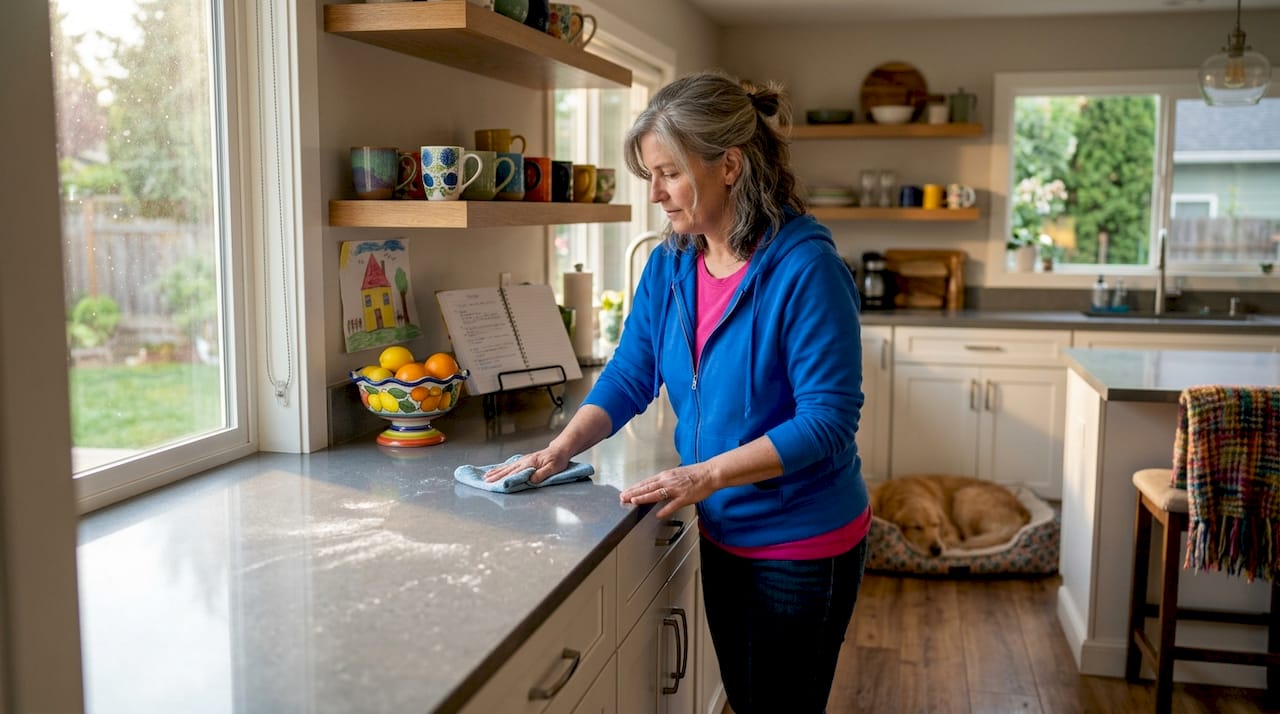
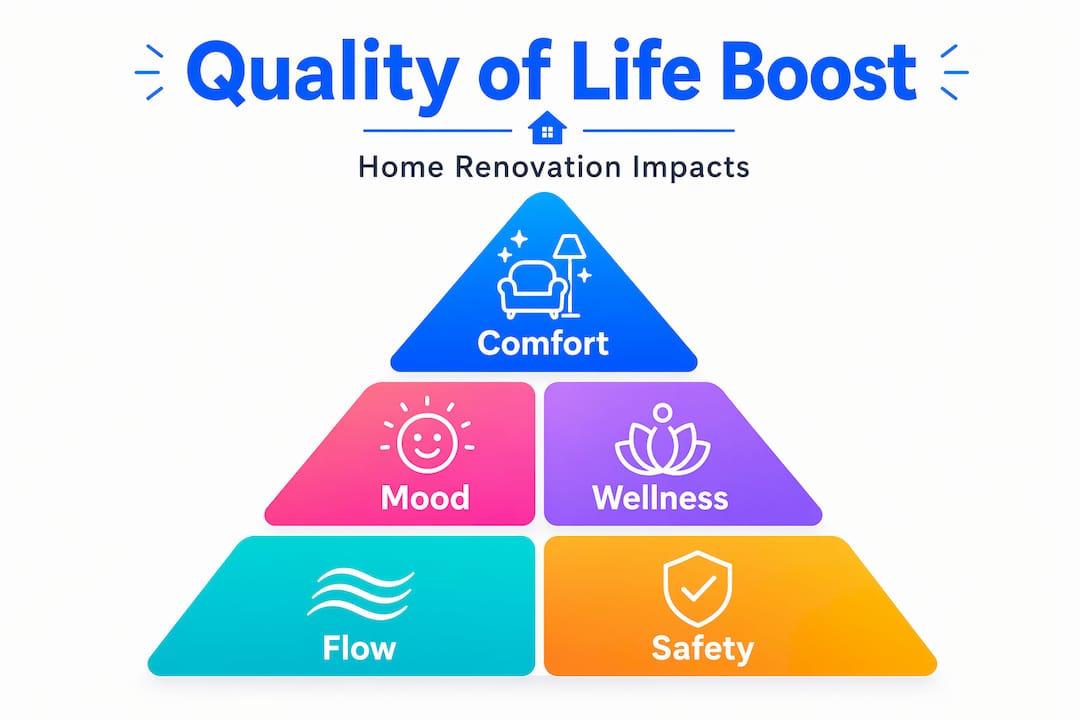
Most homeowners think about renovation in two ways: what it will cost and what it will add to resale value. But how home renovation improves quality of life is a far more immediate and personal story. The changes you make to your home affect how you sleep, how you think, how you move through your day, and how you feel in your own space. This guide breaks down the real, daily benefits of thoughtful renovation, from layout and lighting to kitchens and long-term wellness planning, so you can make decisions that genuinely improve how you live.
Table of Contents
Key takeaways
Point | Details |
Layouts reduce daily stress | Smarter room flow and storage cut mental fatigue and physical friction in everyday routines. |
Comfort upgrades pay off fast | Lighting, windows, and flooring improvements deliver daily benefits far beyond their upfront cost. |
Kitchens and bathrooms matter most | Targeted wellness upgrades in these rooms improve air quality, hygiene, and mental ease. |
Smart budgeting beats luxury | Minor cosmetic updates often outperform expensive overhauls in both ROI and daily satisfaction. |
Future-proof your space | Aligning renovations with your life stage protects comfort and function for years ahead. |
How home renovation improves quality of life through smarter layouts
Most people underestimate how much their home’s layout affects their mood. When a kitchen forces you to walk in circles, when a bathroom door swings into the vanity, or when the only storage is a closet you have to dig through every morning, you feel it. Not as frustration exactly, but as low-grade friction that drains you before the day even starts.
Better layouts and storage reduce mental load and daily stress by simplifying how you move through your home. This is sometimes called cognitive load reduction. When your space makes intuitive sense, your brain stops working overtime to compensate for poor design.
Here are the layout changes that deliver the biggest daily impact:
Improve traffic flow. Remove unnecessary walls or reposition doorways so you move naturally from one room to the next without detours or bottlenecks.
Add purposeful storage. Built-in shelving, pull-out cabinet organizers, and under-stair storage eliminate visual clutter, which directly lowers anxiety.
Redesign kitchen work triangles. The distance between your stove, sink, and refrigerator should be short and unobstructed. A poorly designed kitchen adds hundreds of extra steps per week.
Improve bathroom ergonomics. Raising vanity height, widening doorways, and repositioning fixtures reduce physical strain for everyone in the household.
Pro Tip: Before committing to any layout change, spend one week tracking where you feel stuck or frustrated in your home. Those friction points are your renovation priorities.
The goal is not a showroom. The goal is a home that works for you without requiring constant mental effort.
Physical comfort upgrades that change how you feel every day
There is a category of renovation that rarely gets enough credit: the upgrades that change the physical experience of being in your home. Lighting, temperature, noise, and the surfaces you touch every day all shape your comfort in ways that are easy to overlook until they are fixed.
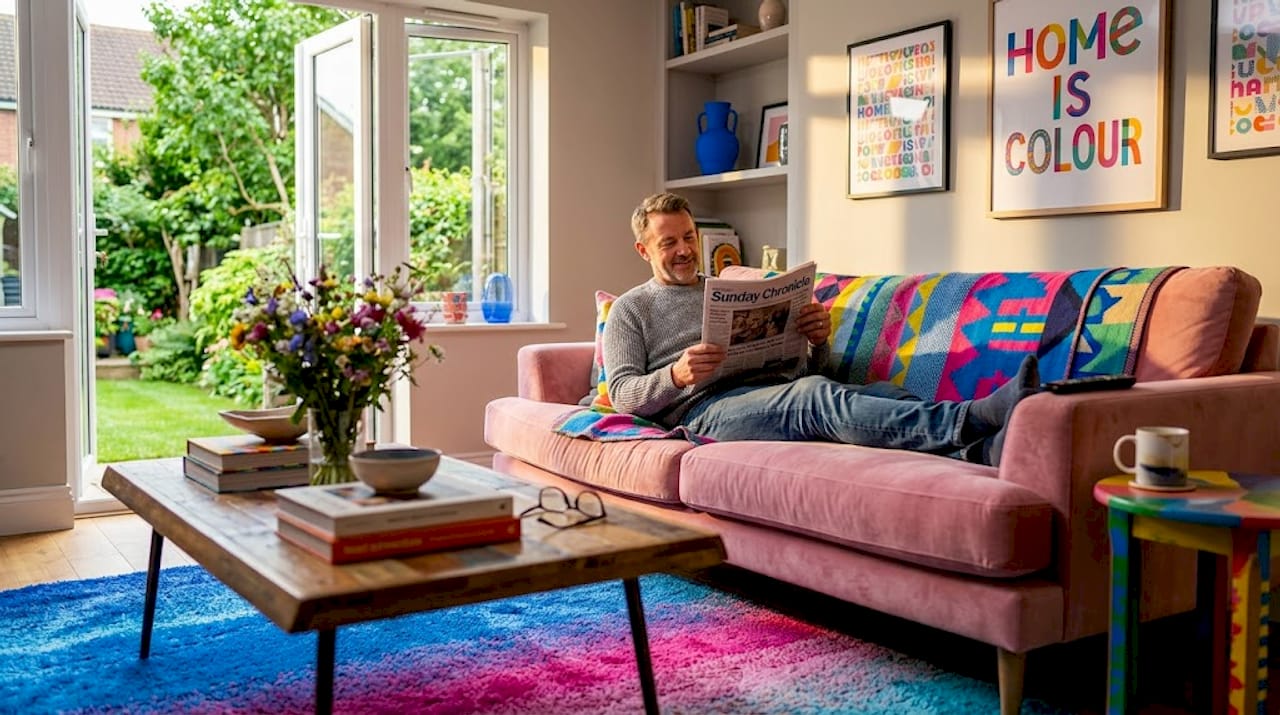
Lighting that works for your eyes and your mood
A 10-watt LED matches the output of a 60-watt incandescent bulb while running cooler and lasting far longer. But the real upgrade is tunable lighting, fixtures that let you shift from cool, focused light during the day to warm, relaxing tones in the evening. This single change supports your body’s natural sleep cycle and reduces eye strain.
Windows, temperature, and noise
Double-glazed windows reduce heat loss and outside noise simultaneously, which means better sleep, lower energy bills, and a quieter home office. If you live near a busy street or in a region with harsh winters, this upgrade pays for itself in comfort within the first year.
Flooring that keeps you safe
Slip-resistant floors like cork and rubber reduce fall risk significantly, especially in bathrooms and kitchens. These materials also absorb impact, which matters for anyone with joint pain or young children in the home.
Here is a quick comparison of common upgrade options across key comfort categories:
Upgrade type | Primary benefit | Best for |
Tunable LED lighting | Mood regulation, reduced eye strain | All households, especially aging adults |
Double-glazed windows | Noise reduction, temperature stability | Urban homes, cold climates |
Cork or rubber flooring | Slip resistance, impact absorption | Bathrooms, kitchens, aging in place |
Low-VOC paint and materials | Improved indoor air quality | Families with children or allergies |
Pro Tip: When selecting flooring for bathrooms, prioritize texture rating over appearance. A matte finish with a higher coefficient of friction protects far better than polished tile, regardless of how good it looks.
These are not luxury upgrades. They are practical investments in how your body feels inside your own home every single day.
Wellness-focused kitchens and bathrooms
Kitchens and bathrooms are where wellness design has the most direct impact on your health. These rooms involve water, air, food preparation, and personal hygiene. Getting them right goes well beyond countertop choices.
The following improvements have an outsized effect on daily health and comfort:
Ventilation and air filtration. A properly vented range hood removes cooking fumes, grease particles, and excess humidity. Without it, indoor air quality drops every time you cook. Pair it with a bathroom exhaust fan rated for your room’s square footage to prevent mold growth.
Water filtration at the tap. Under-sink filtration systems remove chlorine, heavy metals, and sediment. Better water quality affects everything from skin health to how your coffee tastes.
Antimicrobial surfaces. Quartz countertops, for example, are non-porous and resist bacterial growth far better than granite or tile grout. This is a functional health choice, not just an aesthetic one.
Task lighting over work surfaces. Proper lighting above the stove and sink reduces eye strain and supports focus. This matters more than most homeowners realize, especially during evening meal preparation.
Ergonomic fixture placement. A wall-mounted toilet at the right height, a shower with a handheld head, and a sink at the correct depth all reduce physical strain during daily routines.
The home improvement and wellness connection is clearest in these two rooms. Small, targeted changes here often deliver more daily benefit than a full renovation of a less-used space.
Cost-effectiveness: getting real value from your renovation budget
One of the most common mistakes homeowners make is assuming that bigger renovations deliver proportionally bigger benefits. The data does not support that assumption.
Garage door replacements recoup 180 to 195% of their cost at resale, outperforming full kitchen gut renovations that cost ten times as much. Cosmetic kitchen upgrades like cabinet front replacements, new fixtures, and fresh paint often yield higher ROI and greater daily satisfaction than luxury overhauls.
Here is how major and minor renovations compare across key metrics:
Renovation type | Average cost | Estimated ROI | Daily comfort impact |
Minor kitchen update | $5,000 to $15,000 | 70 to 80% | High |
Full kitchen gut renovation | $50,000 to $100,000 | 50 to 60% | Moderate to high |
Garage door replacement | $1,500 to $4,000 | 180 to 195% | Low |
Bathroom refresh | $3,000 to $10,000 | 60 to 70% | Very high |
Window replacement | $8,000 to $20,000 | 65 to 75% | Very high |
For budget planning, a widely used guideline suggests keeping total renovation costs below 30% of your home’s current market value. Spending beyond that threshold rarely produces proportional returns in either comfort or resale value.
The smartest approach is to prioritize low cost kitchen makeover ideas and targeted functional upgrades before committing to major structural changes. You will often find that the improvements with the highest daily impact are also the most affordable.
Aligning renovations with your lifestyle and future
The most durable renovations are the ones planned around how you actually live, not just how you want your home to look. This means thinking about your life stage, your daily routines, and where your household is headed over the next decade.
Follow this sequence when planning renovations for long-term quality of life:
Assess your current pain points. List every daily frustration in your home, from the bathroom that gets congested in the morning to the living room with no natural light. These are your starting priorities.
Separate work and rest zones. Clear separation of spaces reduces stress and supports mental decompression. If you work from home, a dedicated workspace with a closing door is worth more than almost any cosmetic upgrade.
Plan for aging in place. Wider doorways, lever-style handles, walk-in showers, and slip-resistant floors add safety without making a home feel institutional. These changes are far less expensive when built into a renovation than retrofitted later.
Choose low-maintenance materials. Fiber cement siding, composite decking, and quartz countertops reduce the ongoing labor of home upkeep, which directly improves how much you enjoy your space.
Sequence projects strategically. Structural and mechanical work comes first, cosmetic upgrades come last. Learn how to sequence renovation projects effectively before you begin, so you are not redoing finished surfaces after plumbing or electrical work.
Renovations that align with your actual lifestyle create homes that support you rather than demand from you. That is the core of upgrading your home for happiness.
My take on wellness-centered renovations
I have been working in home improvement for years, and the pattern I see most often is homeowners spending the most money on the things that matter least to daily living. A stunning marble kitchen with bad lighting and poor ventilation is still an uncomfortable kitchen. A bathroom with a rainfall shower but no slip-resistant flooring is still a hazard.
What I have learned is that the renovations that genuinely change how people feel in their homes are rarely the flashiest ones. They are the ones that remove friction. A pantry that actually fits your groceries. A hallway wide enough to carry laundry without turning sideways. A bedroom with blackout curtains and a ceiling fan that runs quietly.
I have also seen homeowners skip the layout conversation entirely and go straight to finishes. That is backwards. Get the function right first, then make it beautiful. The human-centered home design approach puts occupant health and daily ease before aesthetics, and in my experience, those clients are always the most satisfied with their results.
The homeowners who tell me their renovation changed their life are not the ones who spent the most. They are the ones who were honest about how they actually live and built a home around that reality.
— Ricco
How Manycolorswi can help you renovate with purpose

At Manycolorswi, we approach every project with the same question: how will this improvement make your daily life better? Our team handles flooring, drywall, painting, and a full range of home improvement services that go beyond surface-level fixes. We focus on the functional upgrades that reduce friction, improve comfort, and support your long-term wellness at home. And because our workforce is built on second chances and real craftsmanship, every project carries a deeper sense of purpose. If you are ready to make changes that actually improve how you live, reach out to Manycolorswi for a personalized consultation. We will help you prioritize the right projects for your budget and your life.
FAQ
How does renovation improve mental health?
Renovations that reduce clutter and improve room flow lower daily cognitive load, which directly reduces stress and mental fatigue. Separating work and rest zones also supports mental decompression and better sleep.
What home renovations have the highest ROI?
Garage door replacements recoup up to 195% of costs, while minor kitchen updates consistently outperform major luxury overhauls in both return and homeowner satisfaction.
Which rooms should I renovate first for quality of life?
Kitchens and bathrooms deliver the highest daily wellness impact because they directly affect air quality, hygiene, water quality, and physical comfort. Start there before tackling less-used spaces.
What is aging-in-place renovation?
Aging-in-place renovation means modifying your home now, with features like wider doorways, lever handles, and slip-resistant flooring, so it remains safe and comfortable as you grow older without requiring a move.
Do small renovations really make a difference?
Yes. Targeted cosmetic upgrades like new cabinet fronts, better lighting, and improved ventilation often produce more daily satisfaction than expensive structural overhauls, and they cost a fraction of the price.
Recommended
Comments