
Why Home Repair Skills Are Transferable to Any Career
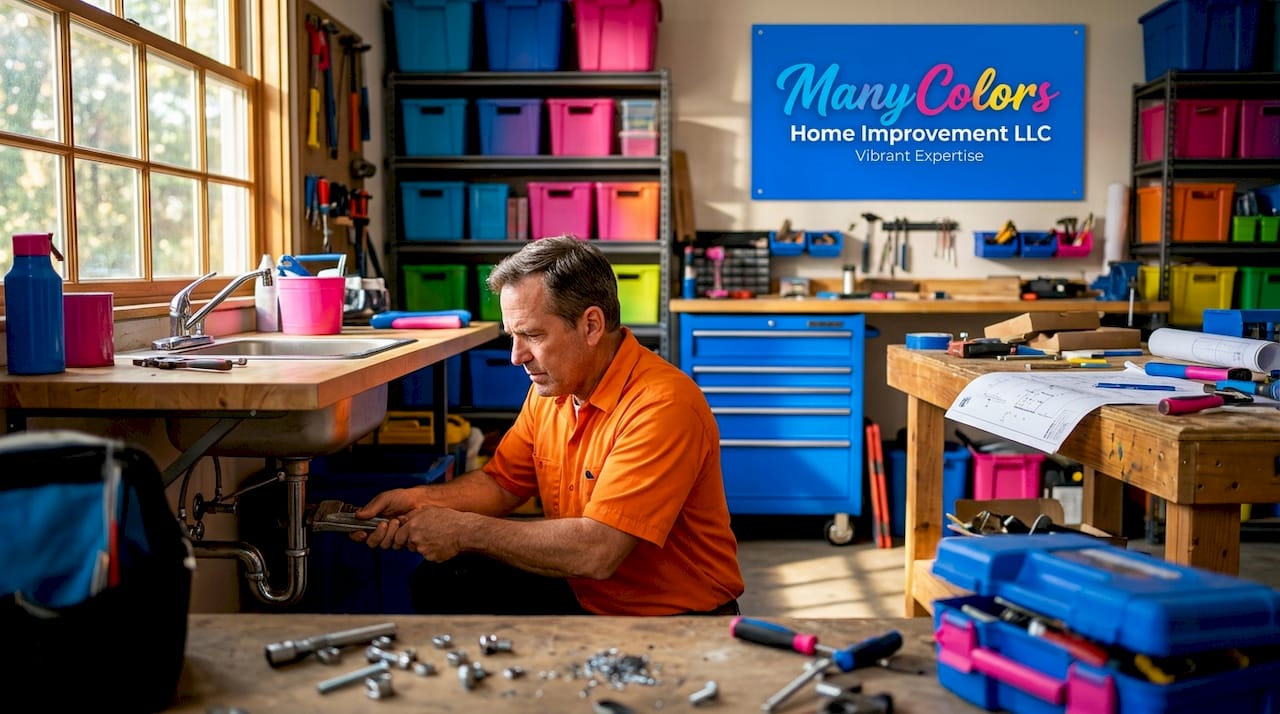
Home repair skills are transferable because they build core competencies — problem-solving, mechanical understanding, and adaptability — that apply across dozens of trades and career paths. These are not isolated tricks for fixing a leaky faucet. They are repeatable mental frameworks that employers in construction, facilities management, property services, and beyond actively seek. The U.S. Bureau of Labor Statistics confirms that maintenance workers develop from simple tasks to complex equipment repairs, proving the progressive nature of this skill set. Whether you are pursuing personal development, a career change, or exploring the trades job market, understanding the value of home repair experience is the first step toward using it strategically.
Why home repair skills are transferable across trades and careers
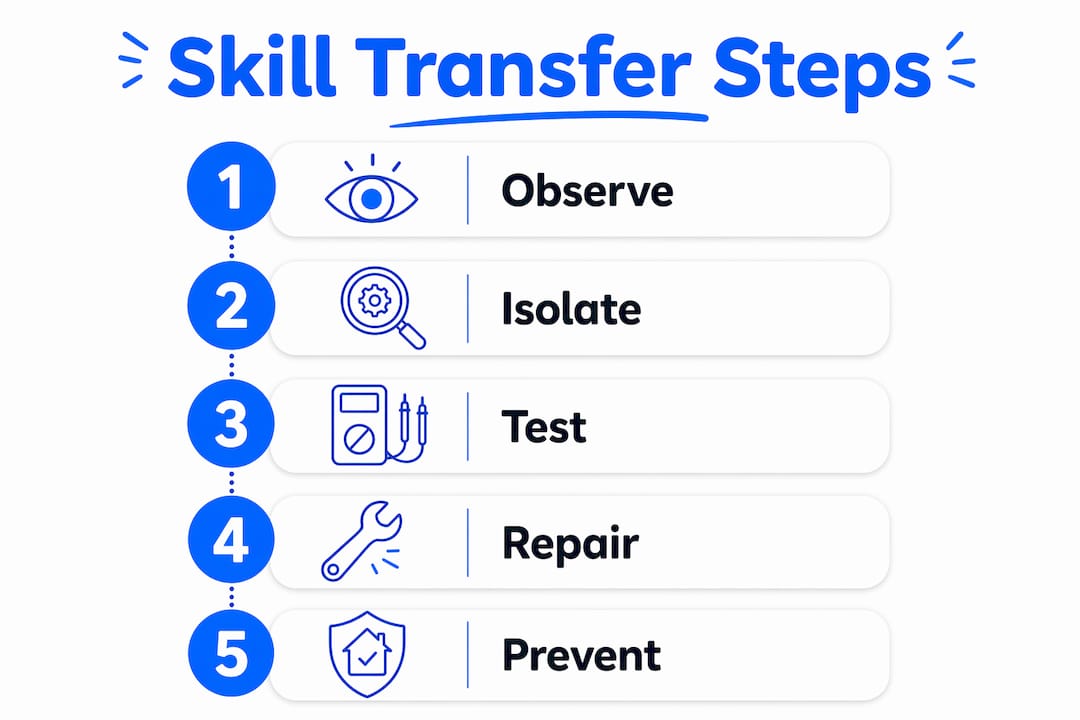
The transferability of home repair skills comes from how they are structured, not just what they cover. According to the BLS, maintenance work is fundamentally diagnostic and systems-based, which means the underlying thinking process moves with you from job to job. You are not just learning to fix a toilet. You are learning to observe a symptom, isolate the cause, test a solution, complete the repair, and prevent recurrence. That five-step framework applies whether you are troubleshooting a plumbing leak, a faulty circuit, or a malfunctioning HVAC unit.
This progression matters because it mirrors how skilled trades actually develop. You start with accessible tasks: replacing a light switch, patching drywall, unclogging a drain. Each task teaches you how a system behaves under normal and abnormal conditions. Over time, you build a mental library of failure patterns. That library is what makes you valuable to an employer, not the specific repair you completed last Tuesday.
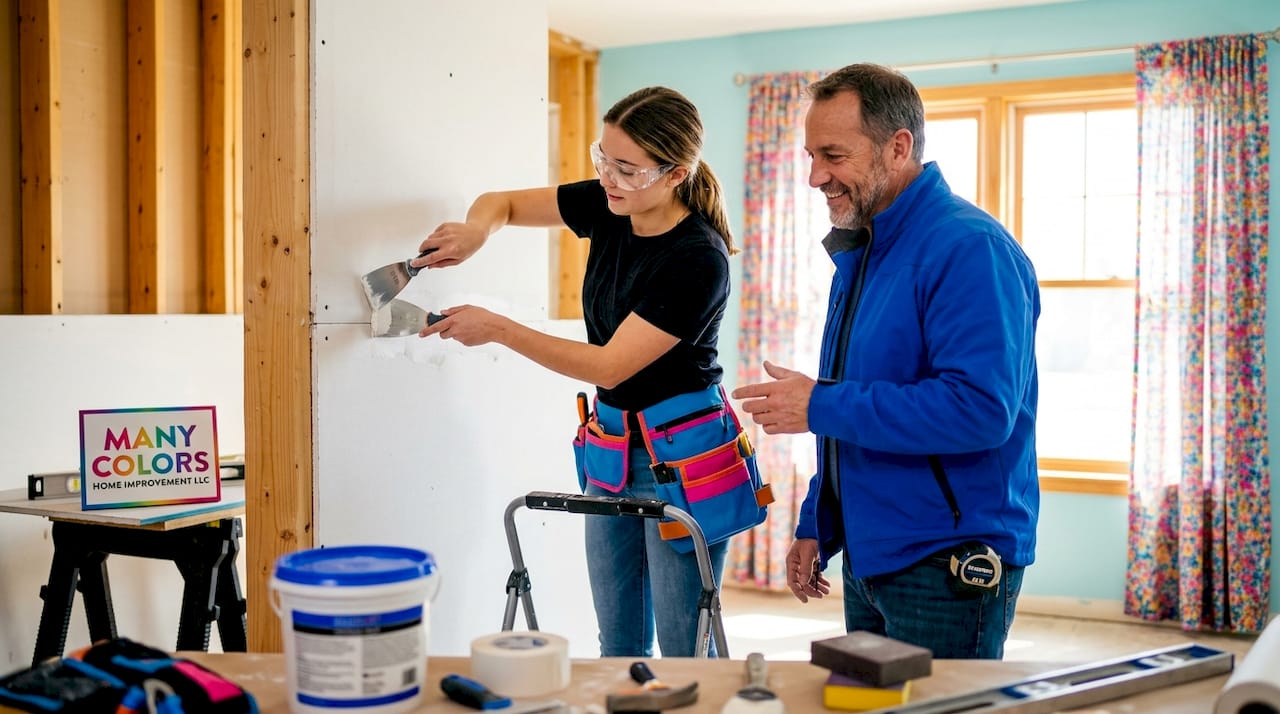
Mechanical understanding is the second major competency that transfers. Once you know how to read a system, whether it is a plumbing stack, a load-bearing wall, or an electrical panel, you can apply that reading skill to unfamiliar systems with far less learning time. A person who has rewired a light fixture understands voltage, continuity, and safety protocols well enough to approach electrical preventive maintenance tasks with confidence.
Adaptability is the third pillar. No two repair jobs are identical. Materials vary, access points differ, and previous owners leave surprises inside walls. Every time you adapt your approach to a new constraint, you are practicing the exact skill that employers in facilities management and property services list as their top hiring criterion.
Observe the symptom without assuming the cause.
Isolate the system or component most likely responsible.
Test your hypothesis with the least invasive method first.
Repair using the correct materials and technique for that specific context.
Prevent recurrence by documenting what failed and why.
Pro Tip: Write down what you did after every repair, even a simple one. That habit builds a personal troubleshooting database that accelerates every future job.
Why employers value home repair as a transferable skill
Employers in the trades do not just want workers who have completed a task list. They want workers who can adapt and problem-solve when conditions change on the job site. Home repair experience, framed correctly, demonstrates exactly that.
The skills that transfer most directly include:
Diagnostic thinking. Identifying root causes rather than treating symptoms is the defining skill of a competent maintenance professional.
Tool and material literacy. Knowing which tool fits which task, and why, reduces errors and speeds up work.
Safety awareness. Working around live circuits, load-bearing structures, and pressurized pipes teaches risk assessment that applies on any job site.
Project sequencing. Understanding that you tape before you paint, or that you rough in plumbing before you close a wall, reflects systems thinking that employers pay for.
Client communication. Explaining a repair to a homeowner or property manager builds the professional communication skills that distinguish a good technician from a great one.
Registered apprenticeships formalize this value. The National Training Authority confirms that apprenticeships combine paid training with structured technical instruction, producing credentials recognized nationally. Home repair experience is the foundation that makes apprenticeship training faster and more effective, because you already understand how systems behave before the formal instruction begins.
“Employers evaluate adaptability and diagnostic skills beyond just task lists. Framing home repair experience as transferable competencies is what creates career credibility.” — BLS Occupational Outlook Handbook
If you are considering a career in home repair, the single most effective move is to reframe your experience in competency language. Not “I fixed a lot of things around the house” but “I developed diagnostic workflows across plumbing, electrical, and structural systems.”
What role does knowledge management play in skill transferability?
The difference between a skilled repair person and an expert is documentation. Experts capture what they learn. The Limble knowledge management framework distinguishes between tacit knowledge (what you know from experience but have not written down) and explicit knowledge (what is recorded and reusable). Capturing troubleshooting know-how is the hidden asset in maintenance work because it converts personal experience into portable expertise.
Most people who do home repairs accumulate tacit knowledge without realizing it. They know from experience that a certain brand of drywall anchor strips out faster than others, or that a particular type of pipe fitting leaks under pressure. That knowledge lives in their head and disappears when they move on. Documented, it becomes a reusable asset for every future job.
Documentation method | What it captures | Best used for |
Repair journal | Step-by-step process, materials used, time taken | Building a personal reference library |
Photo log | Before/after conditions, hidden components | Visual troubleshooting and client communication |
Video tutorial | Technique, tool handling, safety steps | Training others and reinforcing your own learning |
Checklist | Recurring maintenance tasks and inspection points | Preventing repeat failures and missed steps |
Maintenance knowledge transfer protects against lost expertise by making both explicit and tacit knowledge available for reuse. This matters enormously if you are transitioning into a professional role, because a documented track record of repairs is far more convincing to an employer than a verbal summary.
Pro Tip: Start a simple Google Doc or notebook labeled by system (plumbing, electrical, structural). After each repair, add three lines: what failed, what fixed it, and what to watch for next time. Six months of this creates a reference that most professionals never build.
How can you leverage home repair skills for career change?
DIY home repair builds reusable competencies that reduce future reliance on outside help and compound in value over time. Treating your repair experience as an investment in a personal skill portfolio, rather than a series of one-off fixes, changes how you present yourself to employers and how you approach new challenges.
Here is how to translate repair experience into career opportunity:
Audit your skill portfolio. List every system you have worked on: plumbing, electrical, HVAC, flooring, drywall, painting, roofing. Note the complexity level for each.
Identify credential gaps. Some skills transfer directly. Others, like licensed electrical work or plumbing in jurisdictions with permit requirements, need formal certification. Know the difference before you apply for roles.
Align with apprenticeship programs. The apprenticeship design ensures task progression and skill portability. Your home repair background shortens the learning curve significantly.
Build a project portfolio. Photos, before-and-after documentation, and written descriptions of completed projects give employers concrete evidence of your capabilities.
Target mission-aligned employers. Companies like Manycolorswi specifically hire and train people who are building their skills and looking for a second chance. That alignment matters for long-term career satisfaction.
The importance of DIY skills extends beyond cost savings. When you plan home renovation with purpose, you develop project management instincts that translate directly into professional roles. Knowing how to scope a job, sequence tasks, and manage materials on a budget is exactly what property managers and general contractors look for in a reliable technician.
How do home repair skills compare to formal trades skills?
Understanding what transfers directly and what requires additional training helps you plan your career path without overestimating or underestimating your starting point.
Skill area | Home repair foundation | Trades requirement | Gap to close |
Basic plumbing | Fixture replacement, drain clearing | Pipe sizing, code compliance, permits | Licensing exam, code study |
Electrical work | Switch and outlet replacement | Panel work, load calculations, NEC compliance | Licensed electrician apprenticeship |
Carpentry | Framing basics, trim work, door hanging | Structural calculations, blueprint reading | Technical training program |
Drywall and painting | Patching, finishing, rolling | Commercial-grade finishing, spray application | Practice volume and speed |
Flooring | Tile, laminate, vinyl installation | Hardwood installation, subfloor systems | Manufacturer certification courses |
The overlap is substantial. Basic plumbing, carpentry, drywall, and painting skills from home repair translate directly into entry-level trades work with minimal additional training. Electrical work is the area where home repair experience provides the strongest conceptual foundation but requires the most formal credentialing before professional practice. Professional electrical services require licensing that home repair experience alone cannot replace, but that experience makes the licensing path faster and less intimidating.
The professional benefits of DIY become clearest in this comparison. Home repair gives you the systems literacy and diagnostic confidence to enter formal training already ahead of peers who have no hands-on background.
Key takeaways
Home repair skills are transferable because they build diagnostic thinking, mechanical literacy, and adaptability. These competencies match what employers in the trades evaluate, and they compound in value when documented and framed correctly.
Point | Details |
Diagnostic framework transfers | The observe-isolate-test-repair-prevent process applies across all trades and maintenance roles. |
Employers want competencies, not task lists | Framing repair experience as adaptability and problem-solving creates career credibility with trades employers. |
Documentation multiplies skill value | Capturing troubleshooting insights in a repair journal converts tacit knowledge into portable, reusable expertise. |
Apprenticeships build on your foundation | Home repair experience shortens apprenticeship learning curves and strengthens nationally recognized credentials. |
Some skills need formal credentials | Electrical and licensed plumbing work require certification beyond home repair experience, but that experience accelerates the path. |
What I have learned from building skills that travel with you
I have watched people walk into a job site with zero confidence and leave six months later able to diagnose a problem before they even touch a tool. That shift does not come from memorizing repair steps. It comes from building a diagnostic mindset, the habit of asking “why did this fail?” before asking “how do I fix it?”
The workers I have seen grow fastest are the ones who treat every repair as a lesson, not just a task. They write things down. They ask questions about systems, not just symptoms. And they stop thinking of themselves as people who “do repairs” and start thinking of themselves as people who understand how buildings work.
The conventional wisdom says you need formal training before you can be useful in the trades. I disagree. What you need first is the confidence that comes from solving real problems with your hands. Formal training then becomes a multiplier, not a starting point. The skills gained from home repairs give you that confidence before you ever set foot in a classroom or an apprenticeship program.
My advice: pick projects that scare you a little. Not projects that are dangerous, but projects that require you to learn something new. Patch drywall if you have never done it. Replace a faucet. Hang a door. Each one adds a layer to your diagnostic library that no classroom can replicate. And document everything. The notes you take today are the expertise you sell tomorrow.
— Ricco
Build real skills with Manycolorswi

Manycolorswi was built on exactly this idea: that hands-on home repair experience, combined with the right support, creates career pathways for people who are often overlooked. Founded in Milwaukee by Ricco, the company trains and employs individuals from marginalized backgrounds in flooring, drywall, painting, and lawn care, turning repair skills into real employment. If you are ready to turn your interest in home repair into something that pays, explore what Manycolorswi offers and see how the company’s mission-driven model connects skill-building with genuine career opportunity.
FAQ
Why are home repair skills considered transferable?
Home repair skills are transferable because they build diagnostic thinking, mechanical literacy, and adaptability. These competencies apply across plumbing, electrical, carpentry, and facilities management roles, matching what employers in the trades actively evaluate.
What skills gained from home repairs help most in a career?
The most career-relevant skills are the diagnostic workflow (observe, isolate, test, repair, prevent), tool and material literacy, and safety awareness. Employers in maintenance and trades roles rank adaptability and problem-solving above specific task experience.
Do I need formal training to use home repair skills professionally?
Some areas, like basic carpentry, drywall, and painting, transfer directly into entry-level trades work. Electrical and licensed plumbing roles require formal certification, but home repair experience makes that training faster and more effective.
How does documenting repairs improve skill transferability?
Capturing troubleshooting steps, failure patterns, and repair outcomes converts personal experience into reusable expertise. A documented repair history is also concrete evidence of competency that employers can evaluate during hiring.
Can home repair experience qualify me for an apprenticeship?
Yes. Registered apprenticeships build on existing knowledge, and home repair experience shortens the learning curve significantly. The National Training Authority confirms that apprenticeship programs combine paid on-the-job training with structured instruction, making prior hands-on experience a genuine advantage.
Recommended
Comments